About Laura Carabello
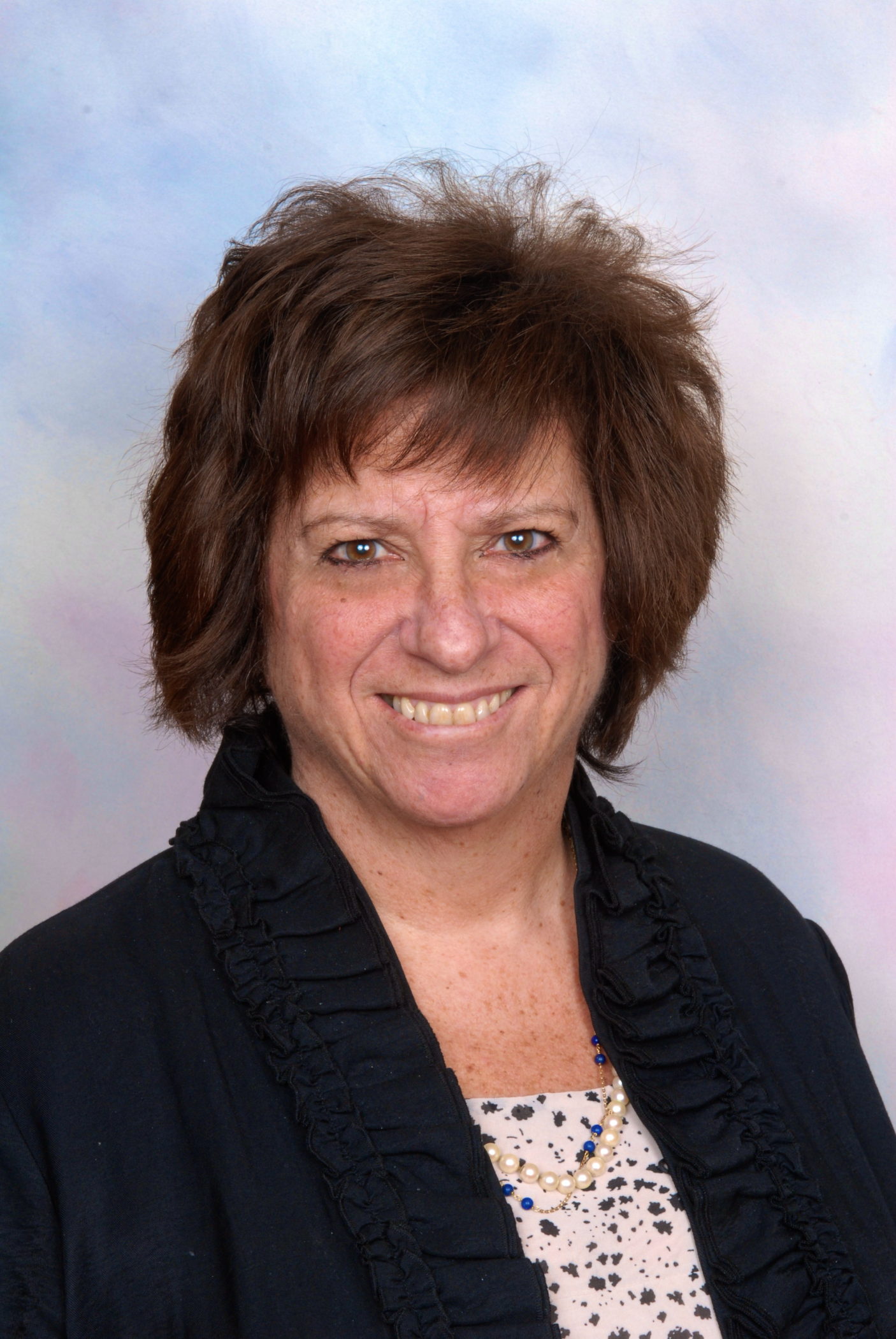
Laura Carabello is co-founder and principal of CPR Strategic Marketing Communications, a healthcare-focused marketing and PR firm she built in 1983 into a trusted partner for more than thousands of public, private and nonprofit organizations across four continents. A co-founding member of Teladoc, the nation’s first telehealth company, she is also an active healthcare entrepreneur, having also founded or co-founded companies such as Recuro, My Patient Global and Shifa Precision, and having advised diagnostics innovator Synaps Dx. Since 2009, she has published Medical Travel Today, reaching over 50,000 healthcare decision-makers worldwide, and she authors a monthly column for The Self Insurer, the official magazine of the Self-Insurance Institute of America.

About CPR Strategic Marketing Communications (CPR)
CPR specializes in developing and implementing integrated business-to-business and direct-to-consumer positioning campaigns on behalf of domestic and international businesses across various sectors, with particular emphasis on the healthcare sector. With over 30 years of experience, CPR has served companies of all sizes and scopes, including privately held entities, publicly traded companies and not-for-profit organizations. CPR publishes the leading global healthcare newsletter, www.medicaltraveltoday.com. Visit www.cpronline.com
Russ Fordyce (RF): Now you’ve been in communications for almost your entire career. Tell us a little bit about CPR and how you got started.
Laura Carabello (LC): We started CPR in the mid-80s, mid-1980s, at a time when doctors and hospitals had just gotten the approval to start advertising. Believe it or not, prior to that they weren’t even allowed to do so.
We got into this business because the door was now open for competition, which is the key to capitalism and success in this marketplace. My husband, Joe, who was involved in healthcare and HMO startups, really taught me about the healthcare industry. I have a degree in journalism from Syracuse University and I applied what I knew about communications and what he knew about healthcare, and we started CPR to serve the healthcare industry. We started with physician offices, hospitals and other service providers. We did the first mammography screening program.
We were truly on the cutting edge of healthcare communications, and we’ve continued to stay at the forefront of the changes shaping the industry.
RF: What does this recognition mean to you?
LC: This kind of recognition really emphasizes what I always tell my clients: I want to make you rich and famous. Some of them want both, some of them just want one. But that’s the value that we bring.
They want their companies to stand out in the market. Most of them are very patient-centric. They’re always concerned about how their work will impact the health of millions of Americans and people around the world.
And that’s the goal – to improve access to healthcare and strengthen the system so that outcomes are better, treatments are delivered more promptly and healthcare becomes more affordable.
People always ask me, “Laura, how are we going to fix this healthcare system? It’s broken.” I hear that question over and over again. I wish I had a panacea, but I don’t. What I always say is, you can’t fix what isn’t broken. So, in a way, it’s a good thing that the system is broken. People have recognized the problem, and now we have an opportunity to fix it.
RF: Let’s walk it back to when you and Joe were in the eighties. What did the market in the eighties look like? What was happening and what did you see that caught your attention and made you think there was an opportunity?
LC: We were hearing from all walks of life, from providers and payer to consumers and our own friends, that healthcare was hard to access, that it was very expensive and that there weren’t any solutions out there that were really making sense. We saw what was happening and evolving and that people were trying to make things better.
A real turning point for us was a company called the National Electronic Information Corporation (NEIC), which was a consortium of payers that got together to move healthcare claims electronically. At the time, everything was on paper. I would visit offices and I would see stacks of paper claims sitting around in offices, getting lost and not even getting delivered.
So there was a real problem there and working with NEIC was really how I cut my teeth in healthcare. I learned firsthand about the challenges surrounding claims processing and how doctors and hospitals were getting paid, along with all the administrative issues that came with it.
From there, I moved on to a lot of different interesting opportunities in healthcare administration, including TriZetto. Then along came Teledoc and my friend Michael Gorton, who was founding this company in telemedicine and telehealth. He brought me onto the team when there were just five of us sitting in a room.
Michael was instrumental in getting telehealth recognized as a legitimate, effective and cost-effective approach to delivering healthcare.
RF: As you looked at the market back then, with deregulation opening up new opportunities, how did you determine which segments to pursue? There were startups, physician practices and hospital systems. How did you navigate that landscape and decide where to focus?
LC: We targeted, and still do, emerging companies that were just getting started. These companies are just getting started, have secured their initial investments and are looking to launch into the marketplace.
We help these companies implement thought leadership and develop content programs that distinguish their models among payers, providers and consumers. We also focus on programs and services that advance affordability and access to care – that has been our mantra all along.
Over time, we expanded into a variety of care model beyond telehealth, although telehealth remains very prominent. We also moved into digital marketing.
I then teamed up with the Self-Insurance Institute of America, which was focused on the challenges employers were facing with affordability and delivering benefits to their workforces. At the time, self-insurance was primarily an option for large employers, but it has since expanded significantly into the midsize and small employer markets.
I’m still connected to SIIA today, and I give Mike Ferguson a lot of credit for building the organization. I believe they had 2,500 attendees at their most recent event in October. They’ve helped build the self-insurance model into an option that allows many more employers to provide benefits at a reasonable cost. Of course, there are still problems and challenges to address.
RF: Can you walk us through the self-insurance model? How does it work?
LC: Self-insurance is a model in which the employers pay their employees’ healthcare claims directly. They may use a large organization to administer the claims, although some employers are now finding that handling the administration themselves can be better.
The growth of self-insurance is a testament to the fact that it works – that it saves employers money and gives them control over not only their benefits but their PBMS and all the vendors they work with. I think self-insurance is the answer for the employer market and it doesn’t matter what size you are now. You can be self-insured with just five employees. You don’t need to have millions of employees to be self-insured.
RF: Tell us about the Thought Leadership and Innovation Foundation you are involved in.
LC: I have to give credit to Bill Oldham for starting that foundation many years ago. He had asked me to get involved and I’ve been working with its Fellows group, which consists of thought leaders who also want to make a difference.
The Thought Leadership Foundation (TLI) led by Shawn Murphy, executive director, focuses on areas of healthcare that have been overlooked or underserved. As a group, we believe in the power of data to move the needle, and we’ve taken on some very interesting projects.
One project is the Limb Loss and Preservation Registry, which is the first registry that connects data, providers and patients to transform outcomes for the limb loss and limb difference community.
We’ve also been involved in autism through the Autism Knowledge Gateway, which has been a very successful program. Autism is often misunderstood, so we’ve been working to improve awareness and understanding.
I’m currently involved in another TLI project that addresses food insecurity. We’re looking to take the model that we’ve built at federally qualified health centers (FQHCs) in Vermont and replicate it across the country. We’re working on putting together a grant program to fund placing small food displays into FQHCs for people living in rural areas. These people don’t have access to healthcare but they go to their FQHCs for their primary care and there are thousands of these centers across the country. We’re looking to bring this model to more of them through small, accessible food pantries.
And I’m involved now in a project for the Thought Leadership Foundation that really addresses food insecurity. And we’re trying to take the model that we’ve built at the federally qualified health centers in Vermont to replicate across the country. We’re working now on putting together a grant program to fund putting these small
The initiative is called Hannah’s Pantry, named after my granddaughter, Hannah.
RF: You’ve been doing this for a long time. Beyond press hits and the sometimes misleading metrics we tend to look at, how do you know these thought leadership campaigns are actually working?
LC: I’ve seen these companies grow. Many of them attribute it to what our company has done for them, with them, and on their behalf. They receive higher valuations and opportunities for mergers and acquisitions. In fact, some of the good work I’m most proudest of has actually cost me clients because they’ve been acquired or merged with other companies!
I also help improve their positioning in the market which translates into higher valuations. So, when investors come in, they know what the company is, what they’ve done, can track its progress and understand how it has established and articulated its position in the market.
That work involves building comprehensive campaigns across multiple channels, from websites and social media to direct mail, email campaigns and press releases. That’s how we build content and what influences their valuation.
RF: You’ve moved that influence outside of healthcare and into steel and finance. What surprised you most when you branched out into those other markets?
LC: The strategies and activities we recommend normally to our healthcare clients could be for any industry. We also study the industry. We don’t just go willy nilly and say, “Put out a press release.” We come up with an integrated campaign based on a thorough understanding of the industry and the company’s needs.
Healthcare is arguably one of the most challenging industries to navigate, so I’ve found that the strategies we’ve developed there can be applied to just about anything, whether it’s real estate, steel, finance or another sector.
When people approach me about working in a new industry, I always tell them, “I’ve done it in healthcare. I can do it anywhere.”
RF: You dove right into the second-toughest industry, which has to be finance. Between regulations and communications, the healthcare and finance industries have to be among the most highly regulated. You’ve also had some experience on the regulatory side. Given your credibility and experience in the industry, you were invited to speak before the Federal Trade Commission (FTC) about advertising ethics. Can you tell us about that?
LC: I’ve published an international newsletter for many years. About 18 years ago, I got involved in international medical travel, which has really elevated my profile. It’s more of a passion than anything else because I do believe that people should be able to travel to get the best level of health care – whether they’re coming to the United States or travelling abroad.
When the FTC invited me to testify on advertising, I was truly flattered to have that opportunity.
RF: You’ve worked with all these founders in these multiple industries. If you were a founder starting up today, what principle would you return to and what advice would you give other founders?
LC: Focus, focus, focus! You can’t be everything to everybody. Focus on the communications and strategies that work, and that you know work. That doesn’t mean you shouldn’t try new things. I always like to say try new things, but you also have to stay in your lane and know what you do best.
One thing I love to do is writing. Syracuse University’s Newhouse School gave me the best training I could have asked for, and I still do a lot of writing. I write monthly articles for SIIA’s publication and handle writing and editing for our clients.
I can sit down at my computer at 8 a.m. and start writing, then look up and realize it’s noon. I always say you should do what you enjoy. I get up every morning and look forward to getting to work. It’s never a stretch for me and I don’t dread it.
RF: You’ve not only played a supporting role to all these organizations, but with Teladoc, you were intimately involved in the company. You’ve also co-launched several healthcare ventures. How do you know when to advise versus build?
LC: I think they’re interrelated. I’m currently working on a very innovative cash pay healthcare model with a fellow named Joey Triselli, who I’ve been connected to since the days of claims processing. I have been helping him launch the company, but I’m also an owner.
One of my greatest joys is participating as a stockholder in some of these early-stage companies, having a stake in their growth and enjoying the rewards when they come to fruition. Advising is part of my job, but it’s also part of building a company.
The advice I give companies isn’t about getting them to spend more money. It’s about recommending what I know works. Sometimes they push back, but I know healthcare, and I know what works in this space.
For me, success is seeing a company do well, seeing its employees thrive and feel gratified with their work and seeing them recognized for their accomplishments. I take great pride in helping my clients earn awards and recognition.
RF: You mentor a lot of interns every summer, mostly women. What do you teach them about getting into healthcare and strategic communications today?
LC: It’s interesting because the interns that come to me now have all studied some aspects of communications, which wasn’t the case thirty years ago.
Thirty years ago, I didn’t even take a PR course at Syracuse. I was a magazine journalism major. Interns now come with some idea about communications, but they don’t know a lot about healthcare.
So, I tell them to study, study, study. Read, read, read! We have publications that I read daily. When I get up in the morning, I’ve already read what’s happened before I get to the computer. For example, I read the recent election results and how it was going to impact healthcare the morning after Election Day.
I believe that is the way you have to go about building your career: specialize. Get really familiar with and understand what’s going on in the market because when you get with clients, you can at least understand where they’re coming from.
I’ve helped launch a lot of great careers for former interns and I’m so proud of all of them.